
Parent guides · 7 min read
How to Track Your Child's Sports Progress: A Simple Guide for Parents
Is my child actually improving? A calm monthly routine of attendance, one or two skills and honest coach conversations answers that question without adding pressure.
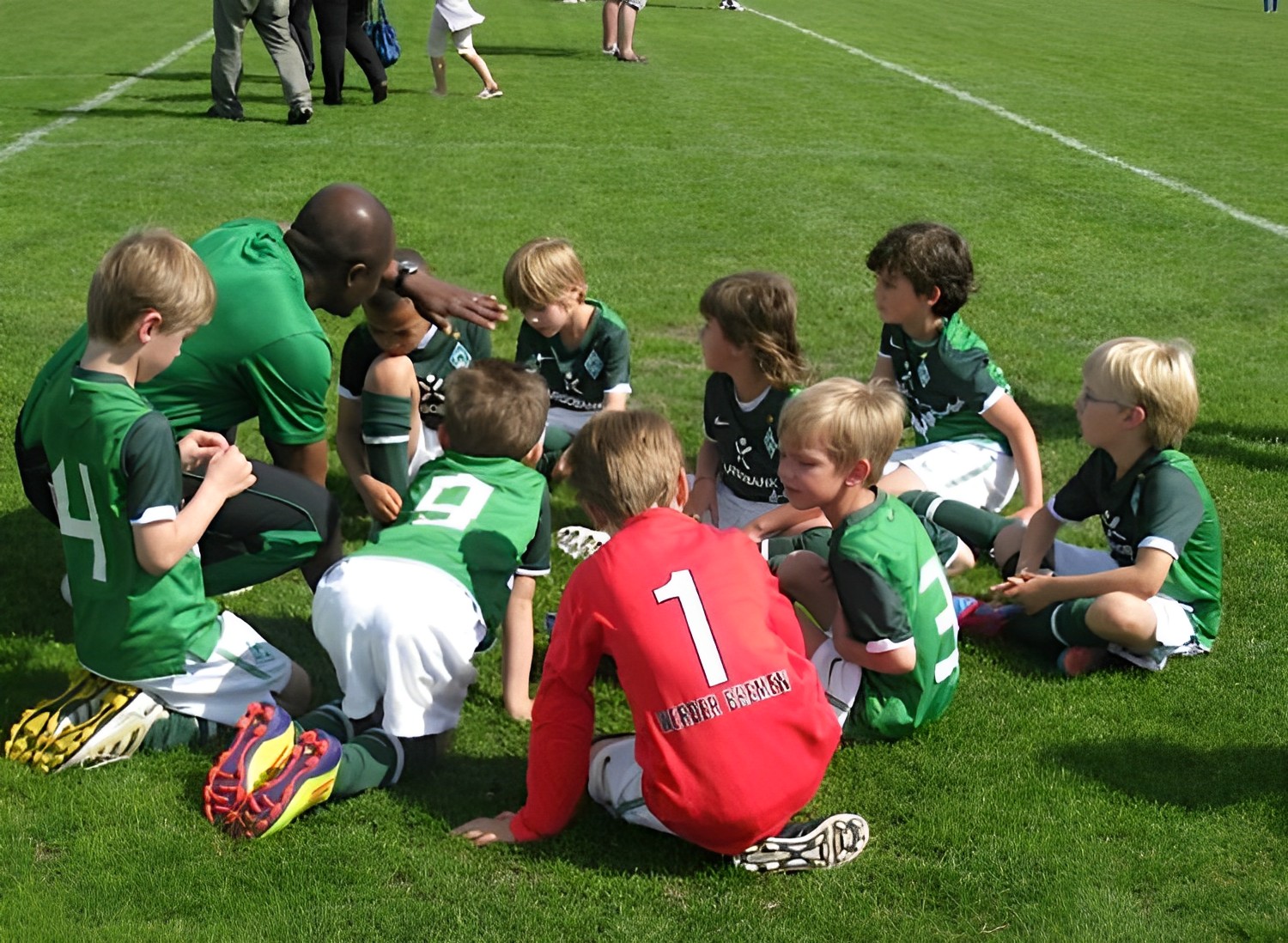
Every parent wants to know the same thing: is my child actually getting better? Trophies and match scores only tell part of the story, especially for young players who are still learning the basics and growing every month. A simple, regular way of tracking progress helps you support your child without adding pressure.
This guide gives parents a calm, practical approach that works for cricket, football, badminton, athletics and most other sports, whether your child trains at an academy, a school or a local club.
Why tracking progress matters
Young athletes change quickly. A child who looked clumsy in March may have a better grip, better footwork or just more confidence by June, but it is easy to miss the change when you see them every day. Tracking helps you notice real improvement, spot problems early and have better conversations with the coach.
Just as important, it shifts your attention from "Did you win?" to "What did you learn?" That is usually healthier for a child's love of the game.
What to track (and what not to)
You do not need a spreadsheet full of numbers. Five simple things give you a useful picture:
Attendance and consistency
How often does your child go to training? Regular attendance is usually the first sign of steady development. Missing sessions for exams or illness is normal; just note the pattern over a few weeks.
One or two skills
Ask the coach which skills your child is working on right now, for example batting stance, passing with both feet or a badminton serve. Tracking one or two skills is more useful than tracking ten.
Fitness basics
Simple checks such as a timed short run, or how many skipping or push-up repetitions a child can do, can be repeated under the same conditions every few months. Treat them as a personal reference, not a competition. Children grow at different rates, so comparisons with other kids can mislead.
Match and tournament experience
Note when your child plays friendly matches, inter-school games or tournaments, and how they felt about them. Experience matters as much as the result.
Enjoyment and attitude
Does your child look forward to training? Do they practise without being told? A child who enjoys the sport and keeps trying is developing well, whatever the scoreboard says.
What not to track: your child's rank against other children, or a long list of numbers you do not understand. Progress is personal.
Start by talking to the coach
The coach sees your child in action every week, so make that conversation a habit. Choose a calm time, such as after a session or on a scheduled parent day, and avoid interrupting practice. Useful questions include:
- What is my child doing well right now?
- What is the one thing to work on this month?
- How is their attendance and effort?
- Is the batch right for their age and level?
- How can I support training at home?
Listen more than you speak. If the academy shares a weekly training plan, ask for it so you know what your child is practising.
Keep a simple progress log
A notebook or a note on your phone is enough. Once a month, spend five minutes writing:
- The date
- How many sessions your child attended
- The skill focus the coach shared
- One thing that improved
- One thing to work on next
- How your child felt about training
After three or four months, read it back. You will see patterns that are hard to notice day to day, such as a child who always tires in the last twenty minutes or one who has quietly become more confident.
Support progress at home
- Sleep and food: Growing athletes need enough rest and regular meals. Ask your doctor if you are unsure what suits your child.
- Balance: School, tuition, play and rest all matter. Watch for tiredness, and speak to the coach if the schedule feels heavy.
- Praise effort: "I liked how you kept trying" is more useful than "Why did you get out?"
- Be a fan, not a second coach: Let the coach coach. Cheer, and keep the car ride home positive.
Signs your child is progressing well
- They attend regularly and want to go
- They can explain what they are practising
- The coach describes specific improvements, not just general praise
- They recover from mistakes more quickly
- They show curiosity about the sport, such as asking questions or learning the rules
When to have a deeper conversation
Speak with the coach if your child seems unhappy, keeps getting injured, loses interest for several weeks, or has stopped improving despite regular attendance. Often a small change, such as moving to a different batch or focusing on a new skill, helps. If pain or injury is involved, check with a doctor.
Parent's monthly progress check
- How many sessions did my child attend?
- What skill is the coach working on?
- What improved this month?
- Is my child still enjoying training?
- What question should I ask the coach next?
How FAB SPORTS helps parents follow progress
FAB SPORTS is a sports app for athletes, parents, coaches and academies in India. When your child's academy uses it, you can see their attendance record, weekly training plan and performance updates in one place, so your progress conversations start from real information. You can also:
- Build an athlete profile with achievements and a sports CV (see athlete tools)
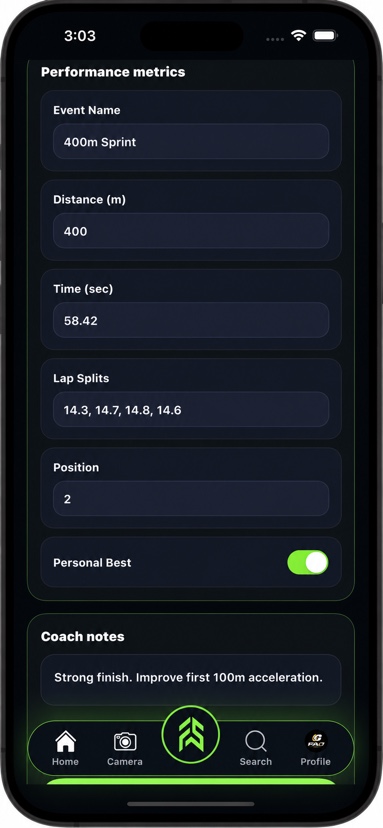
- Use performance tracking to keep a record of training and competition
- Help your child learn rules and tactics with daily Sports IQ quizzes
- Find nearby academies and compare packages if you are still choosing
Every FAB SPORTS tool is free, with no subscription. Academy fees and product prices are set by the academies and sellers, not by FAB SPORTS.
Conclusion
Tracking your child's sports progress does not have to be complicated. Watch attendance, know the one or two skills they are working on, repeat a few simple fitness checks, notice how they feel, and keep talking with the coach. Protect their enjoyment, celebrate effort and let progress show up over months, not matches.
Want to follow your child's training in one place? Download FAB SPORTS free on the App Store or get it on Google Play.
Frequently Asked Questions
How can I track my child's progress in sports?
Keep a simple monthly log of attendance, the skill the coach is focusing on, one thing that improved and how your child felt. Talk to the coach regularly and repeat a few basic fitness checks every few months under the same conditions.
What should I ask my child's coach about progress?
Ask what your child is doing well, what the main skill to work on this month is, how their attendance and effort look, whether the batch suits their level, and how you can help at home.
How often should I review my child's sports progress?
A short monthly review works well for most families, with a longer parent-coach conversation once a term. Avoid judging progress from a single match.
Should I compare my child with other players?
It is best not to. Children grow and develop at different rates, so compare your child's progress with their own earlier results instead.
Can I see my child's attendance and training plan in an app?
If your child's academy uses FAB SPORTS, you can see their attendance record, weekly training plan and performance updates in the app. The app is free with no subscription; academy fees are set by each academy.