
Athlete development · 7 min read
How to track athlete progress: a simple weekly guide
A useful progress record is not a pile of numbers. It is a repeatable way for an athlete and coach to notice what is improving, what needs attention and what to work on next.
Athletes develop over time, and a single result rarely tells the whole story. A short weekly review can bring training consistency, skill focus, competition experience and personal reflections into one clearer picture. The aim is not to rank athletes or predict results; it is to support better conversations and sensible next steps.
Start with one clear development goal
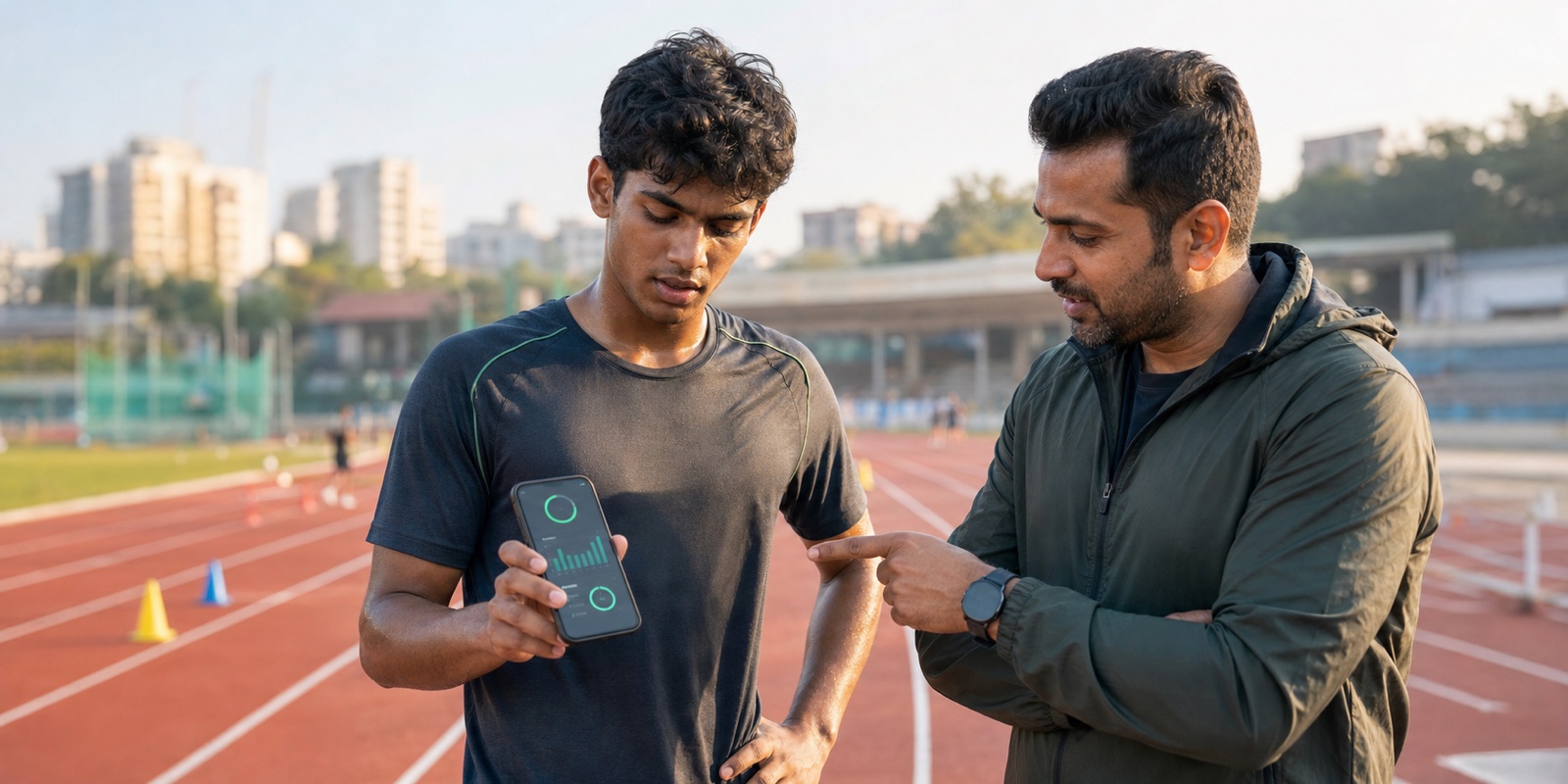
Choose a goal that is specific enough to guide practice and realistic for the athlete’s age, sport and training schedule. For example, a football player might focus on scanning before receiving the ball, while a runner could work on maintaining a steady pace in a planned session. Agree how you will notice progress before the training block begins.
Keep the goal athlete-centred. Ask what the athlete wants to improve, then make sure the coach and athlete understand the same outcome. A goal should encourage learning, not create pressure to chase a number at any cost.
Use a small, consistent set of notes
Record only information that will help with the next training decision. A simple weekly note might include:
- Training completed: which planned sessions took place, without treating attendance alone as performance.
- Skill or focus: the main technique, decision or habit practised.
- One observation: something the athlete or coach noticed during training or competition.
- Next step: one manageable action to try in the coming week.
Use the same format each week so that records are easier to review. If a measurement is not clearly useful, leave it out. More data does not automatically mean better coaching.
Review progress in context
At the end of the week, take a few minutes to look at the goal and the notes together. Ask the athlete what felt easier, what was challenging and what they would like to practise next. The coach can add an observation and help adjust the plan. If a result changed, consider the context—such as the session, conditions, recovery and experience—before drawing conclusions.
For younger athletes especially, keep feedback encouraging and focused on effort, learning and safe participation. Do not use a single result, body measurement or comparison with another athlete as a complete measure of ability or potential.
Keep personal information appropriate and private
Only record information that is necessary for the agreed development routine. Explain who can see an athlete’s records, especially when the athlete is a minor, and follow your academy’s safeguarding and privacy practices. Sensitive health details should not be collected casually or shared in general team updates.
A five-minute weekly review
- Read the athlete’s current goal together.
- Note the sessions and focus areas completed.
- Share one observation from the athlete and one from the coach.
- Agree one next step and when to review it.
- Keep the record in the appropriate private place.
Use tools to support—not replace—coach judgement
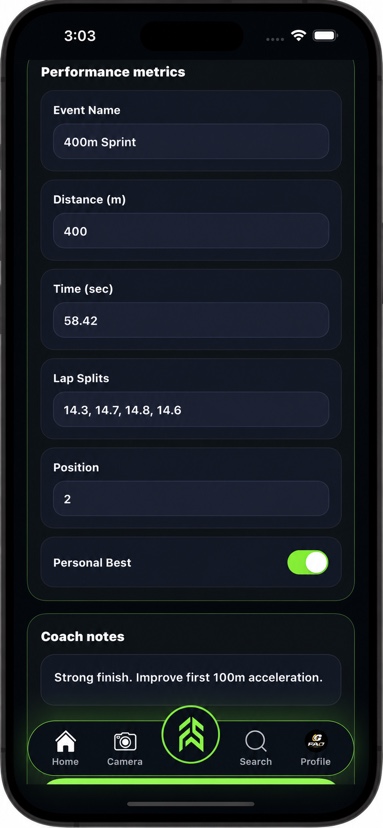
A digital athlete profile or performance tracker can help keep progress notes, training habits and milestones together. The tool should make useful information easier to find, while leaving interpretation and decisions with the athlete, family where appropriate, and qualified coach.
FAB SPORTS provides athlete profile and performance features alongside Sports IQ learning and discovery tools. Explore the FAB SPORTS athlete performance tracker or learn how academy teams can organize athlete attendance as part of a consistent training routine.
FAB SPORTS for athletes
Keep your sporting journey organized.
Build an athlete profile, keep milestones visible and explore tools designed for a more connected sports routine.
Explore FAB SPORTS athlete tools