
Academy guides · 9 min read
How to Start a Football Academy in India: 10 Practical Steps
From finding a ground to planning batches and fees, here is a practical, step-by-step guide to starting a football academy in India.
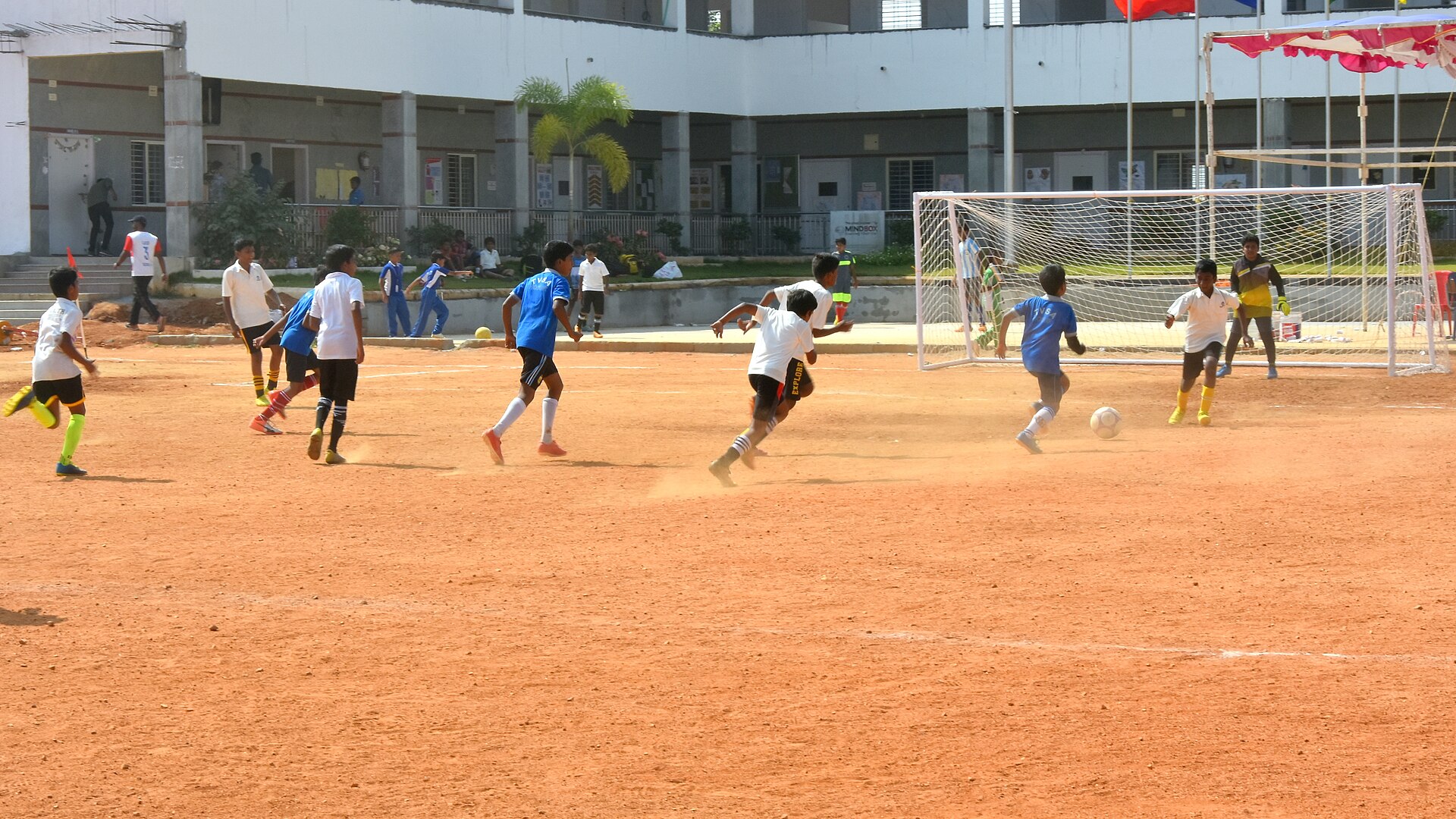
Football is played in parks, school grounds and turfs across India, and more families are looking for proper coaching for their children. If you love the game and enjoy working with young players, starting a football academy can be a rewarding way to build a career in sport. This guide walks through the practical steps, from planning and ground to coaches, batches and fees.
Many of the basics overlap with our guide on how to start a cricket academy in India, but football has its own needs: more running space, small-sided games and a lot of balls.
1. Decide who your academy is for
Before you look at grounds, be clear about your players.
- Age groups: young beginners, school-age players, teenagers preparing for competitive football, or adults who play for fitness?
- Level: fun and basic skills, or a pathway towards competitive matches and tournaments?
- Location: which neighbourhoods and schools are within easy travel distance?
Starting with one or two clear groups, such as young beginners and school-age players, is easier than trying to serve everyone at once.
2. Find a suitable ground
You do not need a full-size stadium to start. Many academies begin on a school ground, a rented turf or a community field. Look for:
- A safe, even surface without stones, holes or broken glass
- Enough space for small-sided games and drills
- Lighting if you plan evening batches
- Drinking water, toilets and some shade
- A safe pickup and drop-off area for parents
Agree on rent, timings and access in writing with the ground owner, and check what happens during the monsoon.
3. Set up the academy properly
Decide how the academy will be structured legally and financially, for example as a sole proprietorship, partnership or another form. Open a separate bank account for academy money. For registration, tax and GST questions, speak to a chartered accountant, as the right choice depends on your situation. If you work with schools or housing societies, they may also ask for documents and an agreement.
4. Hire and develop good coaches
Coaching quality is what parents will judge you on. Look for coaches who are patient with children, organised and keen to keep learning.
- Check coaching qualifications. The All India Football Federation (AIFF) runs coaching courses at different levels; check the AIFF website for current courses and requirements.
- Agree on duties, timings and pay in writing.
- Make sure coaches understand safety and child-protection basics, and have a first-aid kit at every session.
5. Buy the right equipment
Football needs less equipment than many sports, but enough of it matters. Kids learn faster when they are not waiting for a turn.
- Balls: ideally one per player in each batch, in sizes that suit the age group (younger children usually use smaller balls)
- Cones, markers and bibs for drills and small-sided games
- Portable goals of different sizes
- Agility ladders and poles as you grow
- First-aid kit and plenty of drinking water
Ask players to bring their own shoes, shin guards and water bottle.

6. Plan batches and a training curriculum
Group players by age first and skill second, and give every batch fixed timings and a named coach. Then plan what each batch will learn over the term. A simple progression might look like this:
- Beginners: ball control, dribbling, passing, basic shooting and lots of fun games
- Developing players: first touch, passing with both feet, positioning and small-sided games
- Advanced players: tactics, set pieces, match fitness and regular matches
Small-sided games, such as 3v3 or 5v5, give every player more touches of the ball than large matches, which is why many coaches use them heavily with young players. Share a weekly training plan with coaches so that sessions stay consistent.
7. Set clear fees and packages
Fees differ widely by city, ground and coaching level, so there is no standard rate to copy. Offer a few clear packages, such as monthly, quarterly and yearly, and write down exactly what each includes: training days, matches, kit and tournament entries. Share your leave and refund policy before a child joins. Our guide on managing sports academy fees and payments goes into more detail.
8. Track attendance and progress
Parents want to know their child is improving. Record attendance at every session, track one or two skills per player and share short updates with families. Our academy attendance guide and athlete progress tracking guide show simple routines that work.
9. Give players matches
Players love matches, and they learn from them. Start with internal matches between batches, then arrange friendlies with nearby academies and schools. As players grow, look at local, district and state-level tournaments and leagues run by your state football association.
10. Grow through trust
- Free trial sessions let parents see your coaching before paying.
- Schools and housing societies are good partners for coaching programmes.
- Holiday camps during school breaks can introduce new players.
- An online profile with photos, timings and packages helps families find you.
Above all, happy players and informed parents bring new families through word of mouth.
Football academy launch checklist
- Target age groups and levels decided
- Ground agreement in writing
- Bank account and legal set-up discussed with a CA
- Coaches hired, with roles and pay agreed
- Balls, cones, bibs, goals and first-aid kit ready
- Batches, timings and a term plan prepared
- Fee sheet and refund policy written
How FAB SPORTS helps football academies
FAB SPORTS is a sports app for athletes, parents, coaches and academies in India. Its academy tools bring the routines above into one app on iOS, Android and the web. With them, you can:
- Set up an academy profile so nearby players and parents can find you
- Organise batches and record attendance by batch
- Share a weekly training plan
- Create academy packages, and track Pay Directly purchases in Cash Collection
- Add staff and keep a record of income and expenses
- Record performance updates for players
Every FAB SPORTS tool is free, with no subscription. Academy fees and product prices are set by the academies and sellers, not by FAB SPORTS. See the academy tools for more.
Conclusion
Starting a football academy in India comes down to a few solid foundations: a safe ground, good coaches, enough balls, clear batches, a written fee policy and regular communication with parents. Start small, coach well, track progress and give players plenty of matches. The rest grows from there.
Ready to run your football academy from your phone? Download FAB SPORTS free on the App Store or get it on Google Play.
Frequently Asked Questions
How do I start a football academy in India?
Decide your target age groups, find a safe ground, set up the academy's bank account and legal structure with advice from a chartered accountant, hire qualified coaches, buy balls, cones, bibs and goals, plan batches and a curriculum, and publish clear fee packages.
What equipment does a football academy need?
Enough balls in age-appropriate sizes, cones, markers, bibs, portable goals, a first-aid kit and drinking water. Players usually bring their own shoes and shin guards.
Do football coaches in India need a licence?
The All India Football Federation runs coaching courses at different levels. Check the AIFF website for current courses and requirements, and look for coaches with recognised qualifications.
How much should a football academy charge?
There is no standard rate. Fees vary by city, ground, coaching level and what each package includes, so list clearly what families get with every package.
Is there a free app to run a football academy?
Yes. FAB SPORTS offers free tools for academies in India, including batches, attendance, weekly training plans, packages, Cash Collection, staff and income and expenses. There is no subscription. Academy fees and product prices are set by academies and sellers.